
loader

Winter Cough That Does Not Go Away: Causes, Tests and When to Worry

Jan 18, 2026

Health & Wellness

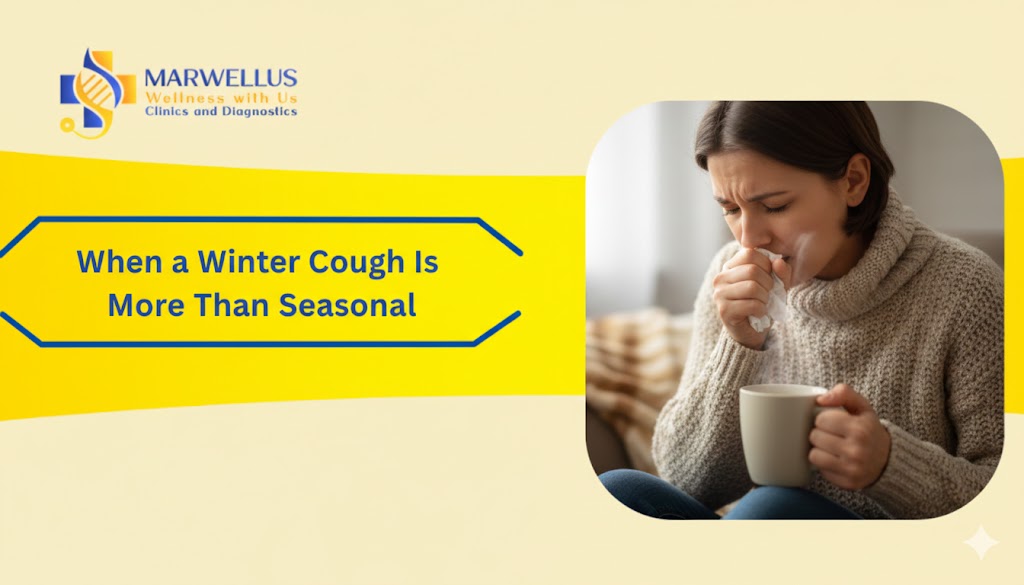
When a Winter Cough Is More Than SeasonalWhen a Winter Cough Is More Than Seasonal

A cough during winter is prevalent and often dismissed as a seasonal issue. Cold air, rising pollution levels and frequent viral infections make coughing one of the most reported winter complaints. However, when a cough persists for weeks despite home remedies or over-the-counter medication, it may indicate an underlying health concern that requires proper medical attention.

This blog explains what a persistent winter cough means, why it happens, which tests help identify the cause and when you should stop waiting and consult a specialist.

What Is Considered a Persistent Winter Cough

A winter cough usually starts with a cold, flu or throat irritation and settles within one to two weeks. A cough lasting longer than 3 weeks is considered persistent and should not be ignored.

Many people continue using cough syrups or home remedies without understanding why the cough has not improved. Treating only the symptom without identifying the cause often delays recovery and may worsen the condition over time.

Common Causes of a Winter Cough That Does Not Go Away

A persistent cough during winter can occur due to several reasons, including:

  • Post-viral cough that continues even after recovery from a cold or flu
  • Cold and dry air irritates sensitive airways
  • Pollution-related airway inflammation
  • Asthma-related cough triggered by seasonal changes
  • Acid reflux worsens with winter eating habits
  • Sinus infections and post-nasal drip
  • Smoking or exposure to second-hand smoke
  • Underlying lung infections

Each cause requires a different approach to treatment, making an accurate diagnosis essential.

Why Winter Makes Cough Worse

Winter conditions increase airway sensitivity. Cold air dries the respiratory tract lining, making it more prone to irritation and inflammation. Pollution levels also rise during the winter months, especially in urban areas, further aggravating breathing issues.

People also tend to spend more time indoors during winter, increasing exposure to dust, mould and indoor allergens. A temporary drop in immunity during colder months may slow recovery from infections, allowing cough symptoms to linger.

Warning Signs You Should Not Ignore

A winter cough needs medical evaluation if you experience:

  • Cough lasting more than three weeks
  • Night-time coughing that disrupts sleep
  • Breathlessness or wheezing
  • Chest pain during coughing
  • Blood in sputum
  • Fever or unexplained weight loss
  • Cough affecting daily activities or work

These signs may indicate a condition that requires timely investigation.

Tests That Help Identify the Real Cause

Doctors recommend tests based on symptoms and medical history to identify the underlying cause of a persistent cough.

Common investigations include:

  • Chest X-ray to check for infections or lung abnormalities
  • Lung function tests to assess airway obstruction
  • Blood tests to detect infection, allergy or inflammation
  • Sputum examination when required
  • ENT or gastro evaluation if sinus issues or acid reflux are suspected

These tests help avoid unnecessary medication and ensure appropriate treatment.

Why Early Diagnosis Matters

Ignoring a persistent cough may allow the underlying problem to worsen. Early diagnosis helps prevent complications, reduce repeated infections, and improve overall quality of life. Timely testing also helps avoid unnecessary antibiotic use and supports long-term respiratory health, especially for individuals who experience recurring coughs each winter.

When to See a Specialist

You should consult a specialist if:

  • The cough does not improve with basic treatment
  • Symptoms recur every winter
  • Breathlessness or chest discomfort develops
  • Over-the-counter medicines provide only temporary relief
  • You have a history of asthma or smoking

Early evaluation offers clarity, reassurance and faster recovery.

In Conclusion

A winter cough may seem harmless initially, but when it persists, it often signals an underlying issue that needs attention. Ongoing coughing can disturb sleep, reduce energy levels and affect daily comfort. Identifying the cause early through proper evaluation ensures targeted treatment, faster recovery and long-term protection of respiratory health.

Do Not Ignore a Persistent Cough

If your cough has lasted longer than expected or keeps returning despite treatment, it may be a sign of an underlying respiratory issue. Instead of relying on repeated self-medication, timely evaluation can provide clarity and relief. At Marwellus Clinics & Diagnostic Centre, our specialists offer detailed assessment and advanced diagnostic testing to identify the cause and guide effective, long-term treatment.

FAQs

How long is too long for a winter cough?

A winter cough lasting more than three weeks should be medically evaluated to rule out underlying conditions.

Can a winter cough indicate asthma?

Yes, seasonal changes and cold air can trigger asthma-related cough in adults, especially during winter.

Are tests necessary for a persistent cough?

Yes, medical tests help identify the underlying cause of a persistent cough and guide appropriate treatment.

Does pollution worsen winter cough?

Yes, air pollution can significantly irritate the airways during winter and worsen cough symptoms.

Should I avoid self-medication for a long-lasting cough?

Yes, repeated self-medication may delay proper diagnosis and treatment of the underlying cause.
Winter Cough That Does Not Go Away: Causes, Tests and When to WorryWinter Cough That Does Not Go Away: Causes, Tests and When to Worry
Winter Cough That Does Not Go Away: Causes, Tests and When to Worry
Pregnancy Planning – Important Tests & What They MeanPregnancy Planning – Important Tests & What They Mean
Pregnancy Planning – Important Tests & What They Mean
Asthma in Adults – Symptoms, Triggers & When to See a SpecialistAsthma in Adults – Symptoms, Triggers & When to See a Specialist
Asthma in Adults – Symptoms, Triggers & When to See a Specialist
Is It a Back Spasm or Something More Serious? Signs to Watch ForIs It a Back Spasm or Something More Serious? Signs to Watch For
Is It a Back Spasm or Something More Serious? Signs to Watch For
What Is an Endocrine Condition and How Does It Affect Your Health?What Is an Endocrine Condition and How Does It Affect Your Health?
What Is an Endocrine Condition and How Does It Affect Your Health?
  

Call Us

+91-4040889999 +91-9154865260

Call Us Book an appointment