
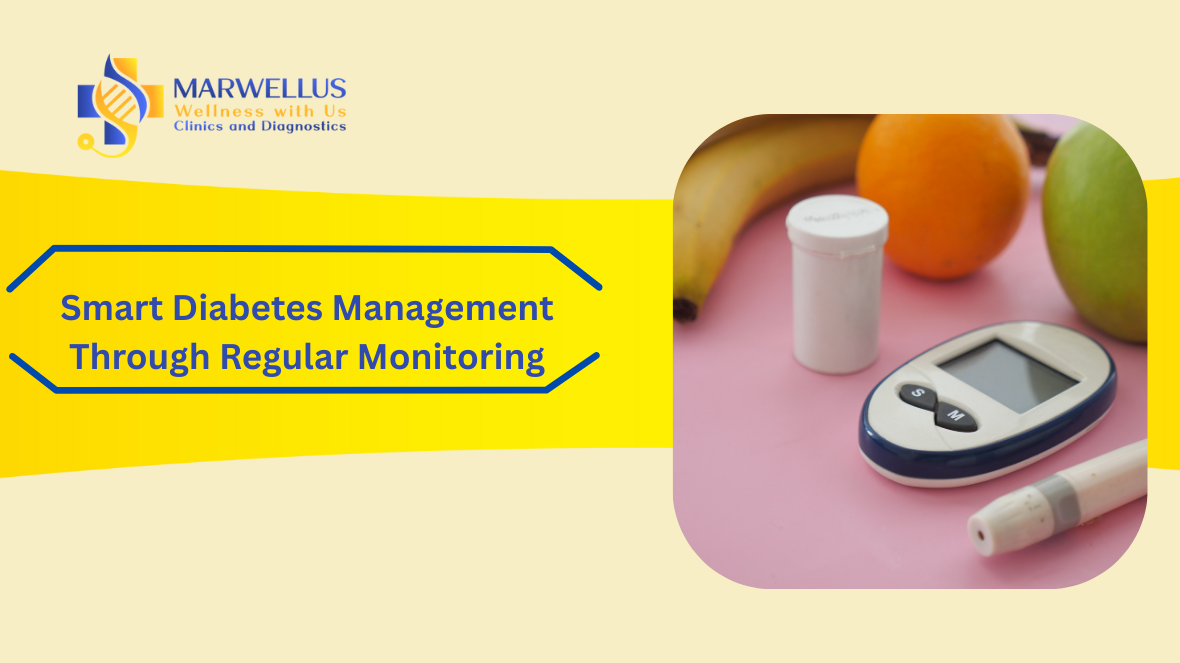
Diabetes management requires continuous attention and structured monitoring. Simply taking medication is not enough to maintain stable blood sugar levels over time. Effective diabetes management depends on regular diabetes monitoring and timely diagnostic evaluation.
Since diabetes can affect multiple organs silently, consistent monitoring plays a crucial role in preventing complications. Diabetes diagnostic tests and diabetes blood tests together provide a clear picture of how well the condition is controlled and whether adjustments are needed.
Diabetes management focuses on maintaining blood sugar levels within a healthy range over the long term. Without proper diabetes management, fluctuations in blood sugar can lead to gradual damage to vital organs.
Effective diabetes management includes monitoring results, reviewing diagnostic data and making informed decisions based on test findings. Diabetes monitoring allows early detection of changes and supports proactive care.
Diabetes monitoring is essential because blood sugar levels can change due to diet, stress, illness or lifestyle factors. While daily monitoring provides immediate feedback, diabetes diagnostic tests offer deeper insights into long-term control.
Regular diabetes monitoring helps identify patterns and prevent complications related to prolonged poor control. Monitoring also supports better treatment planning and continuity of care.
Diabetes blood tests are the foundation of effective monitoring. These tests help assess current blood sugar levels and long-term trends.
Key blood tests for diabetes include:
Each of these diabetes blood tests serves a specific purpose, and together they support better diabetes management.
The HbA1c test reflects average blood sugar levels over a period of time. It is one of the most important diabetes control tests because it provides a long-term view of glucose management.
Regular HbA1c test monitoring helps assess whether diabetes management strategies are effective. Changes in HbA1c levels guide treatment adjustments and lifestyle planning.
Diabetes diagnostic tests extend beyond blood sugar monitoring. These tests help evaluate the overall impact of diabetes on the body.
Blood tests for diabetes monitoring support early identification of changes that may require attention. Diabetes diagnostic tests play an important role in preventing complications and ensuring comprehensive diabetes management.
Diabetes control tests focus on identifying early signs of diabetes related complications. These tests support long-term monitoring and help maintain stability in diabetes management.
Consistent testing ensures that changes are detected early and addressed before they progress.
The frequency of diabetes monitoring tests depends on individual diabetes control levels. Regular testing allows comparison of results over time and helps track progress accurately.
Structured diabetes monitoring supports stability and reduces the risk of long-term complications.
Effective diabetes management relies on consistent diabetes monitoring and timely diagnostic evaluation. Diabetes blood tests, diabetes diagnostic tests and diabetes control tests together provide a comprehensive view of health status. Regular monitoring supports better decision making, reduces complications and helps individuals manage diabetes with confidence and long-term stability.
Comprehensive diabetes monitoring is essential for effective diabetes management. At Marwellus Clinics & Diagnostic Centre, structured diabetes diagnostic tests and monitoring services help track progress accurately, support better diabetes control and promote long-term health and stability. Book your consultation now!