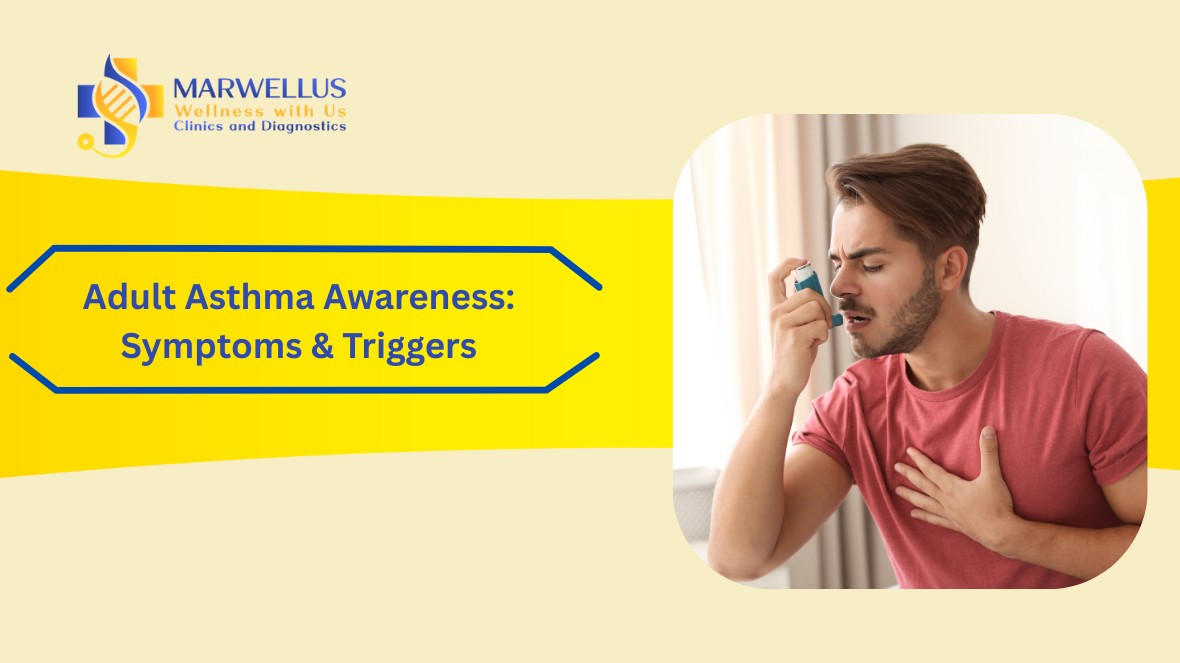
Asthma is often thought of as a childhood condition, but thousands of adults develop symptoms later in life or experience a recurrence after many symptom-free years. Adult-onset asthma can be more persistent, more severe, and more closely linked to lifestyle and environmental factors. Recognising symptoms early and understanding what triggers your flare-ups can make a significant difference in long-term health and quality of life.
This blog will help you understand how adult asthma presents, why seasonal changes affect your breathing, which triggers you should be aware of, and when it is essential to consult a specialist.
Adult asthma refers to asthma that begins or becomes noticeable during adulthood. While its causes may differ from those of childhood asthma, the symptoms remain similar: airway inflammation, increased mucus production, and sensitivity to triggers. Adults sometimes notice their symptoms worsen gradually, which can delay diagnosis.
Adult-onset asthma also tends to respond more slowly to treatment because airway inflammation may be more chronic. However, with accurate diagnosis and timely care, most adults manage the condition very well.
While symptoms can vary from one person to another, the most common include:
A chronic or persistent cough is one of the most overlooked symptoms in adults. Many assume their cough is due to acidity, weather changes, or viral infection, but a cough caused by asthma is typically linked to airway inflammation. This is where an effective asthma cough treatment becomes necessary to prevent the condition from worsening.
Many adults experience a cough or breathing difficulty that worsens during particular seasons. A seasonal asthma cough treatment becomes necessary when symptoms flare due to:
1. Winter Dryness
Cold air can irritate the airways, making them more reactive and sensitive.
2. Pollutants and Smog
In urban environments, air quality tends to drop during winter, which is a major trigger for asthma.
3. Monsoon-Related Mould and Dampness
Moist environments promote the growth of mould spores, a common asthma trigger.
4. Spring Pollen
Pollen allergies can trigger wheezing and persistent coughing.
If your cough repeatedly worsens during the same season, this could be a sign of seasonal asthma.
Asthma triggers vary widely, but the most common include:
Being aware of your triggers can help you avoid flare-ups and manage symptoms more effectively.
A cough lasting more than 3 weeks must be evaluated, especially if accompanied by wheezing or breathlessness. A persistent cough may signal ongoing airway inflammation. This is where a specialist-guided cough treatment for asthma becomes important. Pulmonologists use a combination of clinical evaluation, spirometry (lung function test), and symptom tracking to determine whether asthma is causing the cough.
Ignoring these symptoms can lead to:
Early evaluation helps prevent long-term complications.
Asthma treatment focuses on reducing inflammation, preventing flare-ups, and improving daily breathing comfort.
1. Inhalers
2. Nebulisation
Used during severe flare-ups when rapid relief is needed.
3. Allergy Management
Avoiding allergens, using air purifiers, and taking preventive medication help those with allergy-induced asthma.
4. Lifestyle Adjustments
5. Asthma Cough Treatment
A targeted asthma cough treatment focuses on reducing airway inflammation and eliminating the cough cycle. It may include:
Self-medication is not recommended, as certain cough syrups can worsen asthma symptoms.
If you want to explore the newest inhaler technologies, the latest asthma & COPD care advancements, and modern treatment approaches for asthma, read our blog: What Are the Best Treatments for Asthma and COPD in 2025?
You should consult a specialist if:
Early intervention can significantly improve lung health and prevent long-term complications.
Adult asthma is manageable when identified early and treated correctly. Understanding your symptoms, recognising seasonal patterns, and being aware of triggers can help you stay in control of your respiratory health. If breathing issues or repeated coughing are affecting your daily life, seeking timely evaluation ensures safer, more comfortable long-term management.
If persistent cough, breathlessness, or seasonal triggers are disrupting your routine, it’s time to get professional guidance. Book your consultation at Marwellus Clinics & Diagnostics Centre to receive accurate lung assessments, personalised asthma care, and reliable treatment options designed for long-term relief.